
Hotel Dinnerware Wholesale: How to Build a Program by Outlet
A practical guide for hotel purchasing managers and F&B directors on planning dinnerware wholesale orders by outlet, material and collection depth.
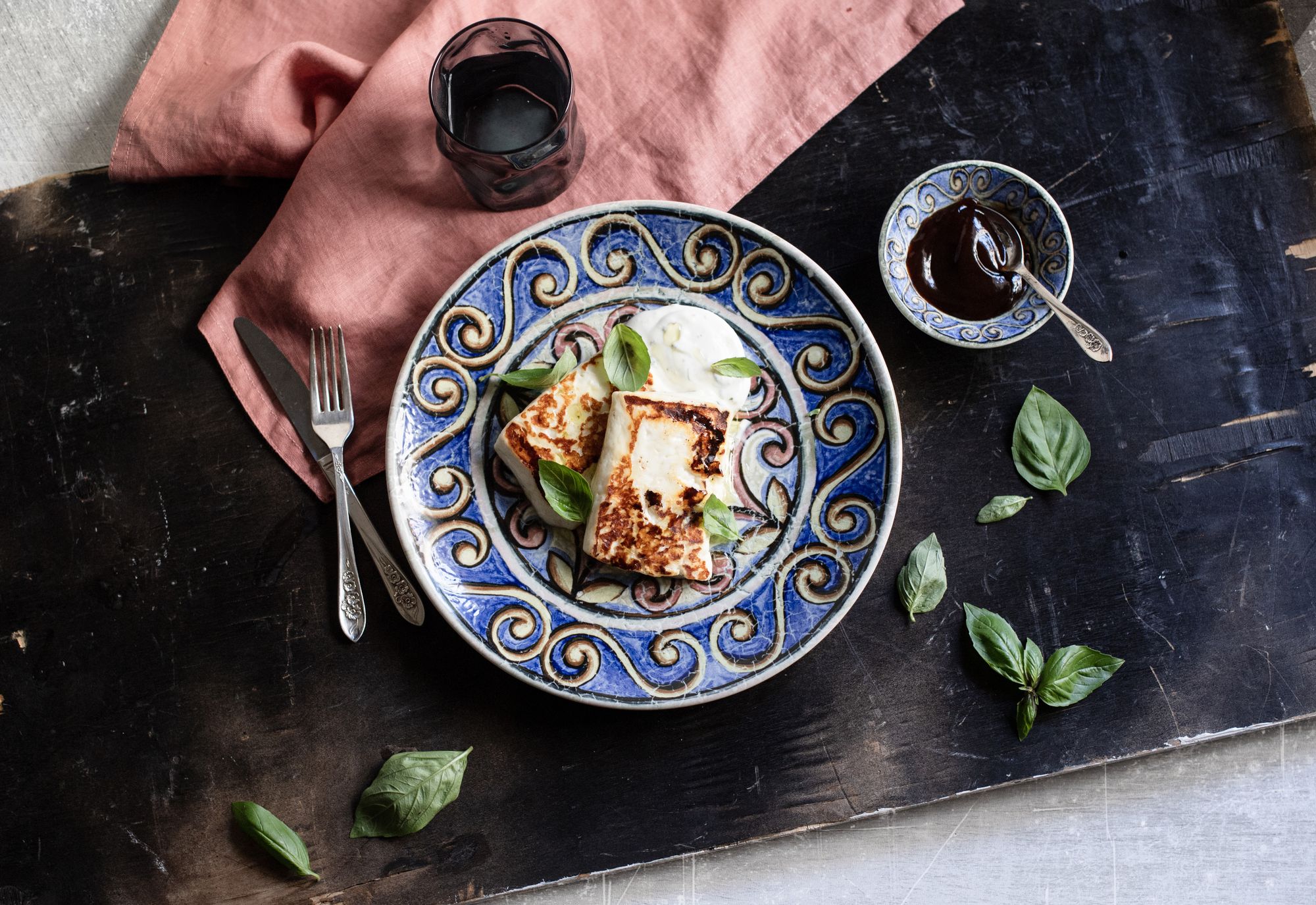
Buying dinnerware for a hotel is not one purchase. It is several, each with its own pace, volume and look: the all-day restaurant, the pool bar, banquets, room service and the breakfast buffet. A wholesale program works best when you plan it by outlet first and by collection second.
This guide walks through how to structure that decision, which questions to settle before you request quotes, and how The Tabletop Company's five brands fit different parts of a hotel operation.
Start with the outlets, not the pattern
Before you compare collections, list every outlet that will use the tableware and note three things for each:
- Service style: plated, family-style, buffet, grab-and-go or poolside.
- Turnover: how often a piece goes through the dish machine in a typical day.
- Guest impression: whether the plate is part of the brand story or simply a reliable workhorse.
This exercise often shows that a hotel needs two or three complementary lines rather than one. Fine dining and banquet service may call for a refined white or a bold color, while a casual terrace may suit something more textured.
Match the material to the job
Our five brands cover the main categories hotel buyers ask about:
- ID Fine (high alumina porcelain): the broadest range, suited to restaurants and banquets that want a classic, polished table. Whiteware has 43 pieces, so it can cover a full menu from one pattern. Modest Green has 38, and Reckless has 37.
- 1972 (vitrified ceramics): a collection-based approach with color. Granada, Seville, Swirl, Toledo and Zen are compact sets of around 8 pieces each. They suit outlets that want a distinct look without a very large assortment.
- Roots (fine stoneware): an organic, handcrafted feel for farm-to-table, brunch and chef-driven concepts. Charma and Coastal each have 26 pieces, and Cameo and Hazel have 20 each.
- Tabletop Glassware (glass): collections such as Pure (18 pieces), Azure (13), Tide (13) and Obsidian (15) for water, wine, cocktails and bar service.
- Rubikap (polycarbonate drinkware): Prisma (18 pieces), Premium (10) and Service & Events (8) for poolside, beach, outdoor events and anywhere glass is a concern.
The point is not that one material is best. It is that each has a place, and a well-planned program uses them where they make the most sense.
Think in core and accent
A useful way to organize a hotel order is a core line plus accents.
The core is the plate, bowl and cup range that every outlet can share. A deep collection helps here because you can add shapes later without changing the look. Collections like Whiteware, Mellow or the Modest family (available in Black, Brown, Green, Maroon and Navy) give you a lot of room to grow.
The accents are the pieces that give an outlet its personality: a colored 1972 set for a casual restaurant, a stoneware collection for the breakfast room, or a glass line for the lobby bar. Smaller collections such as Cordoba, Maris or Rune work well for this, since you only need a focused assortment.
Sharing a core across outlets also simplifies replenishment, because you are reordering from one collection instead of many.
Check the details that affect daily operations
A beautiful sample can still be a poor fit if it does not suit your kitchen. Before you settle on a collection, confirm:
- Sizes and capacities against your portion standards and menu plating.
- Storage and stacking in your back-of-house and banquet carts.
- Case packs, so your order quantities line up with how pieces are packed.
- Piece availability within the collection, since the number of pieces varies from one collection to another.
The shop lets you filter all products by size, capacity and case pack, which makes it easier to compare options across collections.
Plan around full-case shipping
Products ship from our Miami warehouse in full cases. For purchasing teams in the U.S., the Caribbean and Latin America, this affects how you build the order. Work out your par levels by outlet, then round to the case pack rather than to an exact piece count. It also pays to include breakage replacement and seasonal peaks in your first order so you do not have to place a small follow-up order shortly after opening.
Use samples before you commit
Samples are requested online through the Sample Center. Treat them as a working test, not just a visual check:
- Run them through your dish machine.
- Plate your real menu items on them.
- Stack and store them as you would in service.
- Let the chef, the F&B director and the housekeeping or stewarding lead each give feedback.
One round of structured testing is far cheaper than discovering a mismatch after a full order arrives.
Get help on larger projects
For new openings, renovations or multi-property programs, our dealer and project support form is the right starting point. Tell us about your outlets, timeline and concept, and we can help you shortlist collections that fit. If you have a general question, you can also contact us.
If you supply hotels as a business, you may also be interested in becoming a distributor.
A simple checklist
- List each outlet and its service style.
- Choose a core collection with enough depth to grow.
- Add accents by material: ceramics, stoneware, glass or polycarbonate.
- Verify sizes, capacities and case packs in the shop.
- Request samples and test them in real operating conditions.
- Build your order around full cases, with allowance for breakage and peaks.
A hotel dinnerware program built this way is easier to buy, easier to replenish and more consistent for guests, from the first breakfast to the last banquet.