
Hotel Tableware Procurement: A Practical Guide for Purchasing and F&B Teams
How to specify, sample and order tableware for hotel outlets: match materials to each outlet, build a core-plus-accent range and plan orders around full cases.
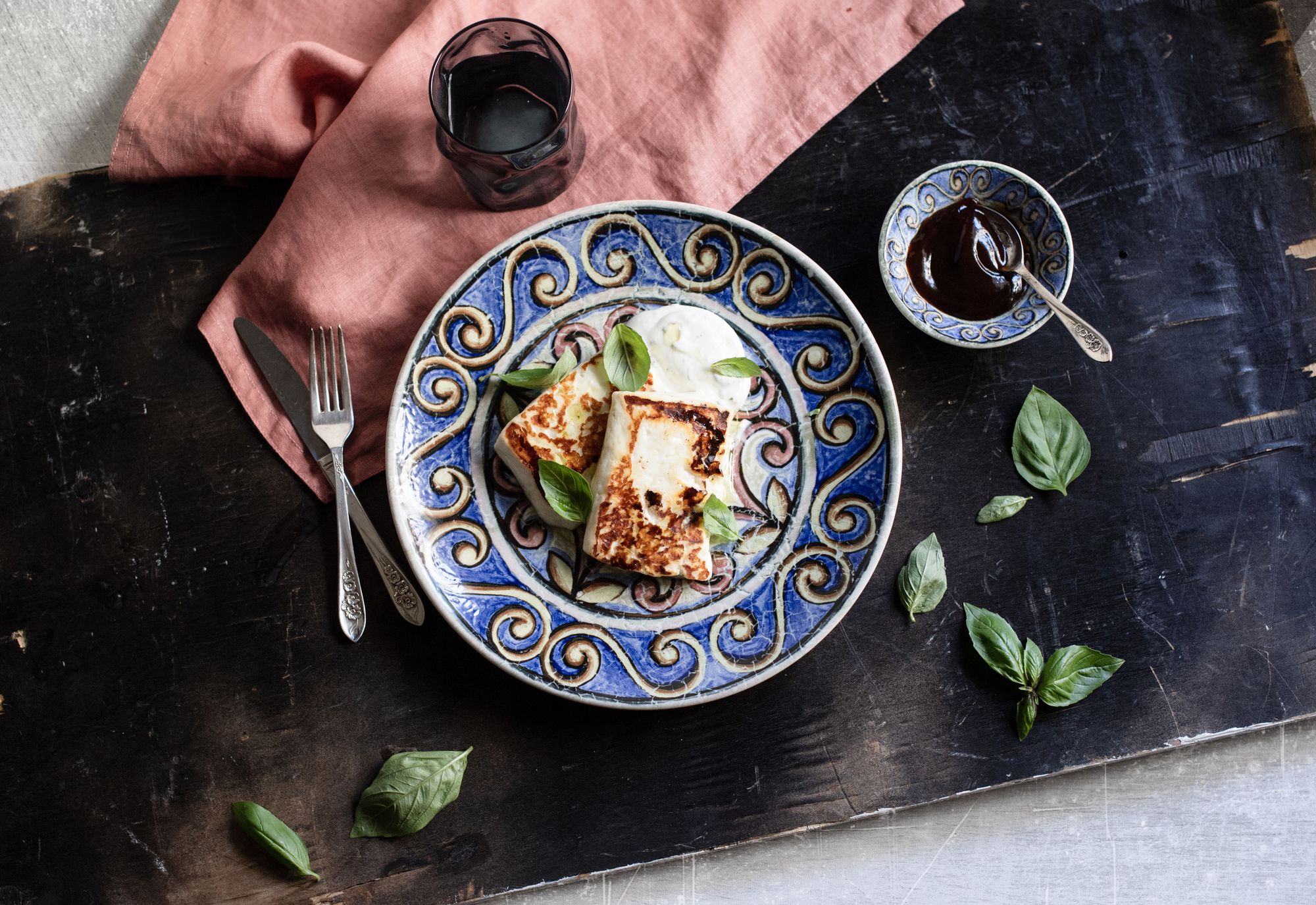
Hotel tableware is rarely bought once. It is specified for an opening, replenished through the year and adjusted whenever a concept changes. A procurement process built around outlets, materials and ordering logic keeps those decisions consistent and avoids expensive mismatches later.
This guide is for purchasing managers and F&B directors who want a clear way to move from a concept brief to a confirmed order.
Start with outlets, not catalogs
Before opening a single collection page, list every outlet and service moment that needs tableware:
- Breakfast buffet and all-day dining
- Signature restaurant or fine dining
- Banquets and events
- Room service
- Pool, terrace and bar service
For each one, write down the pieces required, the style of service and how much back-of-house handling the items will face. This turns a vague preference ("something modern and white") into a specification you can compare across collections.
Match material to the job
Our five brands cover different needs, so it helps to assign them by role.
- ID Fine high alumina porcelain suits hotels that want one consistent family across several outlets. Whiteware (43 pieces), Modest Green (38 pieces), Reckless (37 pieces) and Mellow (34 pieces) are deep ranges, which makes it easier to cover breakfast, dinner and banquets without switching style.
- 1972 vitrified ceramics offers compact collections for focused concepts. Granada Blue, Seville Navy and Zen each have 8 pieces, while Herba and Silva Blue has 12.
- Roots fine stoneware works for restaurants and F&B concepts that want a more distinctive look. Coastal and Charma have 26 pieces each, and Hazel and Cameo have 20.
- Tabletop Glassware glass tableware covers plates, bowls, platters and trays made of glass, useful for presentation, buffet and shared-plate service. Pure has 18 pieces, Obsidian 15, and Azure and Tide 13 each. These are tableware, not drinkware.
- Rubikap polycarbonate drinkware is our only drinkware line, with tumblers, goblets, pitchers and mugs. Prisma (18 pieces), Premium (10) and Service & Events (8) are the places to start for pool, terrace and event service.
Build the range in layers
A practical way to avoid over-buying is to split the order into two layers.
- Core layer: the pieces every outlet uses daily, such as dinner plates, bowls and cups, in one collection. A deep porcelain range is a natural fit here.
- Accent layer: pieces that give individual outlets their identity, such as stoneware for a restaurant or glass platters for a buffet.
This keeps replenishment simple, because the core pieces are interchangeable across outlets, while still allowing each venue to look distinct. It also reduces the number of different items your stewarding team has to store and sort.
Use filters to compare real dimensions
Collection names are a starting point, but real decisions come from dimensions and capacities. The shop lets you filter all products by size, capacity and case pack, which helps you check that a plate fits your buffet counters, that bowl capacities suit your menu and that case packs match the way you plan to stock.
Compare like with like: a dinner plate in one collection against a dinner plate in another, not against a presentation plate.
Sample before you commit
Samples are requested online through the Sample Center. When they arrive, test them in your own operation rather than judging them on a table alone:
- Plate your most demanding dish and check the fit and presentation
- Stack and store the pieces the way your stewarding team will
- Run them through your usual washing routine
- Look at them under the lighting of each outlet
- Ask your chefs and servers for feedback, not just the design team
Asking the people who handle the product every day is often the fastest way to find a problem before it becomes a full order.
Plan quantities around full cases
Products ship from our Miami warehouse in full cases, so build your quantities around case packs from the beginning. Work out your par levels per outlet, then round to whole cases. For each item, think about opening quantity separately from the reserve you want on hand for breakage and growth. Keeping them separate makes the first order easier to defend internally and the first reorder easier to predict.
If you are supplying the Caribbean or Latin America, consolidating several outlets into one coordinated order can also simplify logistics. Share your plan with our team early.
Get support for larger projects
For new openings, renovations or multi-property programs, use the dealer project support form to describe the scope, and our team can help you work through the collections and quantities. If you are a company that supplies hotels and want to represent our brands, see become a distributor. For any other question, contact us.
A simple procurement checklist
- List outlets and the pieces each one needs
- Assign a material to each role: core, accent, glass tableware, drinkware
- Shortlist two or three collections per role
- Compare sizes, capacities and case packs in the shop
- Request samples and test them in real service
- Confirm quantities in full cases, with a reserve
- Share the project with our team before ordering
A clear brief, tested samples and case-based planning will make your tableware program easier to launch and far easier to maintain.