
Hotel Tableware (Vajilla para Hoteles): How to Build a Collection That Works Across Every Outlet
A practical guide for hotel purchasing managers and F&B directors: match materials to each outlet, build a core-plus-accent range, and plan sampling and ordering.
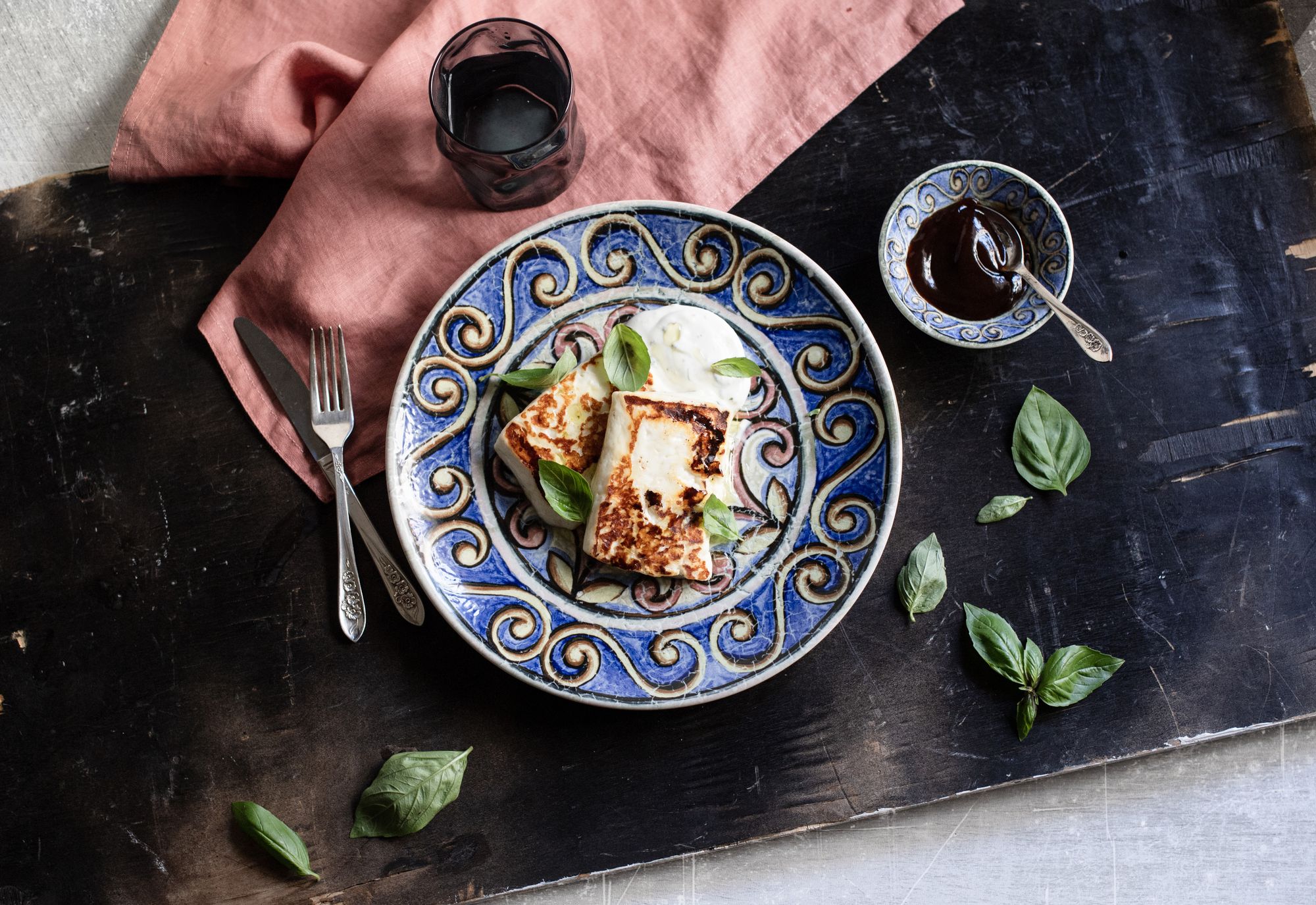
Choosing hotel tableware (*vajilla para hoteles*) is never a single decision. The breakfast buffet, the all-day restaurant, the pool bar, the banquet room and room service each put different demands on a plate, a bowl or a glass. A collection that looks beautiful in the lobby restaurant can be the wrong tool for the pool deck.
This guide is for purchasing managers and F&B directors who want a clear way to organize the decision before they look at a single pattern.
Start with the outlets, not the pattern
Before you compare collections, list every outlet that will use the tableware and write down what each one needs:
- Service style: plated, family-style, buffet or grab-and-go.
- Volume and speed: how quickly pieces move from table to dish room and back.
- Environment: indoor dining, terrace, poolside or off-site events.
- Brand look: how much the tableware should be seen as part of the guest experience.
This list will tell you whether you need one collection for the whole property or a family of related ones.
Match the material to the job
We work with five material families, and each suits different roles.
- ID Fine high alumina porcelain is a natural fit for fine dining, banquets and any outlet where a refined, classic table matters. Collections such as Whiteware, Mellow and Venecia give you a clean base, while the Modest Navy, Modest Green and Modest Black colorways add character.
- 1972 vitrified ceramics offer color and personality for restaurants and casual-upscale concepts. Look at Granada Blue, Seville Green or Toledo Black if you want a distinctive look without a large range.
- Roots fine stoneware brings an earthy, handcrafted feel that suits beach clubs, bistros and chef-driven menus. Start with Coastal, Hazel or Charma.
- Tabletop Glassware covers the beverage side with collections like Pure, Azure and Obsidian.
- Rubikap polycarbonate drinkware is designed for places where glass is less practical, such as pool areas and events. See Service & Events, Prisma and Premium.
Build a core plus an accent
A common mistake is buying a different pattern for every outlet. That makes replenishment harder and storage messier. A more manageable approach is a core-plus-accent model:
- Core: one neutral, versatile collection used across most outlets and banquets. A white or near-white range makes it easy to mix in other pieces and to restock consistently.
- Accent: one or two colored or textured collections for specific outlets, such as a signature restaurant or a rooftop bar.
A neutral core also helps when a menu changes. New dishes can be presented on the same base with accent pieces, without replacing the whole service.
Check the depth of the range
Piece count matters when you are planning a full service. Larger collections give you more options for different courses and formats. Whiteware has 43 pieces, Modest Green has 38 and Reckless has 37. Compact collections such as Maris (6 pieces) or Zen (8 pieces) work well for a focused menu or a smaller outlet.
Ask your chefs which formats they actually need: plates, bowls, cups, platters, ramekins or specialty pieces. Then confirm that the collection covers them before you commit.
Don't leave drinkware for last
Beverage service is often treated as an afterthought, yet it is visible on every table and every bar. Decide early which outlets need glass and which are better served by polycarbonate. Pool bars, event service and high-turnover areas are where a polycarbonate range such as Prisma earns its place, while restaurants and lounges can lean on glass such as Tide or Pure.
Use the shop filters to narrow down
Once you have a shortlist, the shop lets you browse all products with size, capacity and case-pack filters. This is useful when your kitchen or bar team has specific requirements, for example a particular plate diameter or glass capacity, and when you want to understand how products are packed before you order.
Sample before you commit
Photos only go so far. Request samples through the Sample Center and test them in real conditions: with your menu, in your kitchen and through your dish room. Ask the chefs how the food looks on the plate, ask stewarding how the pieces handle in daily use, and ask F&B how the table looks under your actual lighting.
Plan your order around full cases
Products ship from our Miami warehouse in full cases. When you build your order, think in case quantities rather than individual pieces, and include a reserve for replenishment so you can keep the table consistent over time. If you are working on a larger opening or renovation, our team can help you plan the assortment.
Get help with a project
For new hotels, refurbishments and multi-outlet programs, use the project support form to share the scope with our team. You can also contact us directly with questions. If you represent a distribution business and want to serve hospitality clients in your market, learn more about how to become a distributor.
The best hotel tableware program is built around how each outlet actually works. Start with the service, choose the right material, keep a versatile core, test samples, and order in a way that makes replenishment easy.