
How to Choose a Hospitality Tabletop Collection Supplier: A Distributor's Checklist
Choosing a hospitality tabletop collection supplier affects every quote you send. Here is a practical checklist for foodservice and hospitality distributors, with examples from our five brands.
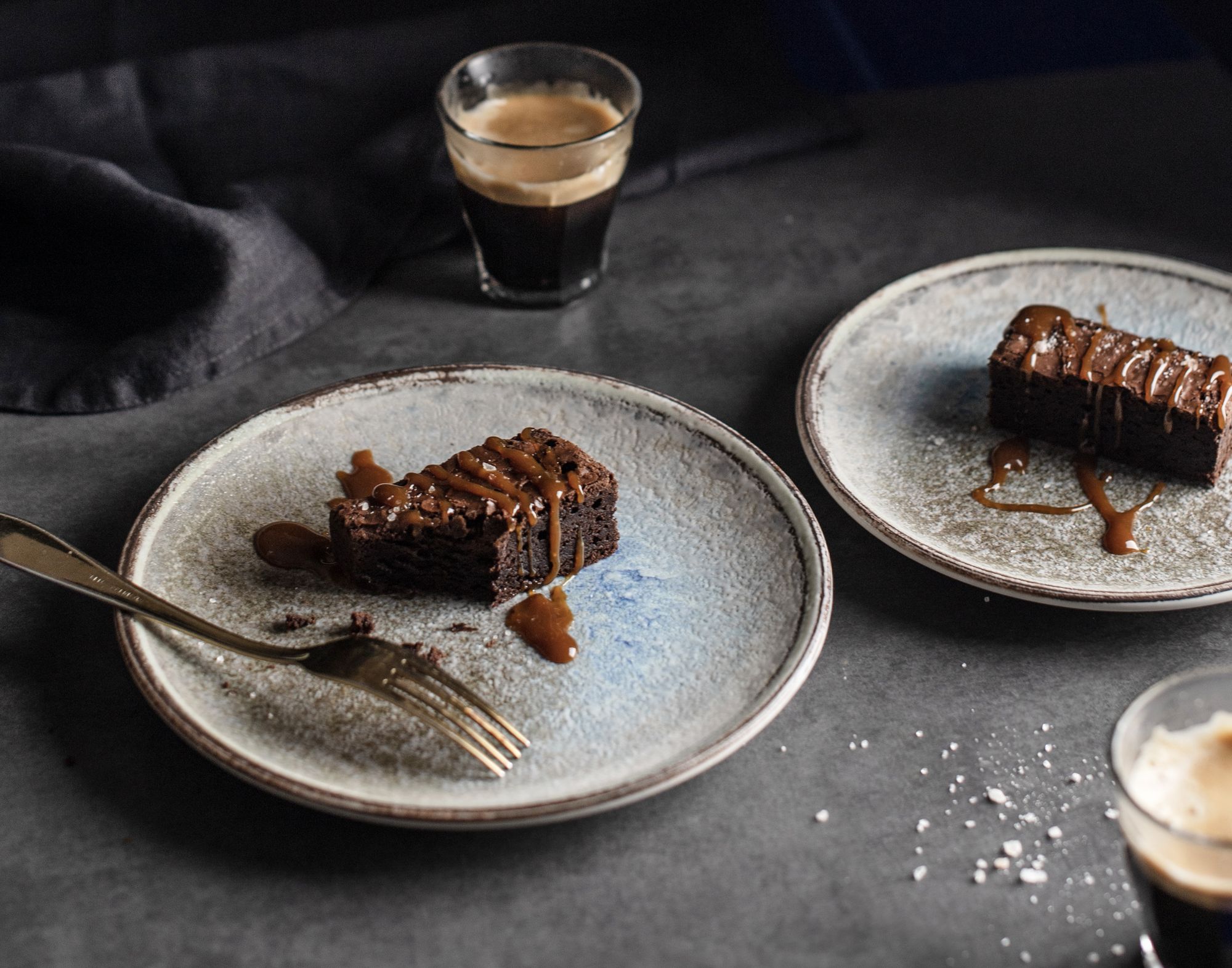
When a restaurant group, hotel or caterer asks your team for tableware, they rarely want a single item. They want a coordinated set that works across the dining room, the buffet and the outdoor areas. That makes your choice of hospitality tabletop collection supplier a business decision, not just a sourcing one. The right partner helps you answer a full project brief from one catalog.
This checklist covers what distributors should look for, and how our collections can support each point.
1. Look for depth within each collection
A collection is only useful on a project if it covers the whole service. Ask how many pieces sit in each line and whether they are designed to work together. In our range, the depth varies by line, so you can match it to the scope of the job:
- Whiteware is our largest ID Fine high alumina porcelain collection, with 43 pieces.
- The Modest family in ID Fine porcelain runs to 35 to 38 pieces in Modest Black, Modest Green, Modest Maroon and Modest Navy.
- Reckless (37 pieces) and Mellow (34 pieces) give you further porcelain options for full-service programs.
- Smaller lines such as Stolt (10 pieces) suit focused concepts or accent roles.
Check the exact piece list on each collection page before you quote, so the set matches the menu.
2. Make sure the supplier covers more than one material
Different operators need different looks and different material stories. A supplier with several materials lets you serve a hotel, a casual restaurant and an events company without managing separate vendors. We work across five brands:
- ID Fine is high alumina porcelain. See Amalfi, Delta, Marmol, Surf and Venecia for different styles.
- 1972 is vitrified ceramics, with lines such as Granada Blue, Granada Sand, Seville Green, Toledo Black and Zen.
- Roots is fine stoneware. Charma and Coastal have 26 pieces each, while Cameo and Hazel have 20 each.
- Tabletop Glassware is glass tableware: plates, bowls, platters and trays made of glass. See Pure, Obsidian, Azure and Tide.
- Rubikap is polycarbonate drinkware (tumblers, goblets, pitchers and mugs) made for poolside and outdoor service.
The mix is what makes one catalog work for a whole venue. Porcelain or stoneware carries the main dining service, glass tableware adds platters and trays for display, and Rubikap covers the pool deck, terrace and other outdoor areas.
3. Check the color and finish range
Hospitality buyers often start from a design direction rather than a product code. A supplier should give you enough variety to respond to a concept board. Here is how our lines can map to common briefs:
- Clean, versatile base: Whiteware, Amalfi and Delta in porcelain are a natural starting point for many concepts.
- Bold, dark or colored: the Modest colorways and Reckless offer strong looks in porcelain, while Toledo Black and the Swirl lines (Swirl Blue, Swirl Gray) do so in vitrified ceramics.
- Stoneware character: Roots collections such as Qasbah and Rune (6 pieces each) suit concepts that want a different feel at the table.
- Presentation pieces: glass tableware from Tabletop Glassware, including platters and trays, adds variety for buffets, shared plates and displays.
4. Use filters to build accurate quotes
Quoting from a catalog is faster when you can narrow by the specs your client cares about. The shop page lets you filter all products by size, capacity and case pack. That is useful when a client specifies a plate diameter, or when you need to line up case quantities with a purchase plan. Products ship in full cases, so plan your order quantities in case multiples.
5. Ask about samples before the client does
Most hospitality buyers want to handle a piece before approving it. Choose a supplier that makes this easy. We handle sample requests online through the Sample Center, so you can put real pieces in front of a chef, designer or purchasing manager before committing to a full order. Sample review is also the moment to check weight, finish and fit with the client's menu.
6. Confirm logistics and regional fit
If you serve the U.S., the Caribbean or Latin America, where the product ships from matters. Our products ship from our Miami warehouse in full cases. That keeps planning simple for distributors in these markets: you know where orders originate and how they are packed. For timing on a specific project, ask our team directly through the contact page rather than assuming.
7. Look for project support, not just a catalog
Larger jobs, such as a new hotel opening or a multi-venue restaurant group, need more than a product list. Our dealer project support form lets you share the details of an opportunity so our team can help you shape the proposal. This is especially useful when a project mixes materials, for example porcelain for the main service, glass platters for display and Rubikap for the pool area.
For poolside, outdoor and events service, Service & Events (8 pieces) and Prisma (18 pieces) from Rubikap are worth reviewing, along with Premium (10 pieces).
A quick supplier scorecard
Before you commit to a new partner, run through these questions:
- Does each collection have enough pieces to cover a full menu?
- Can the supplier offer several materials and styles from one place?
- Is there a dedicated option for poolside and outdoor service?
- Can you filter by size, capacity and case pack when quoting?
- Are samples simple to request?
- Is the shipping origin clear, and are products sold in full cases you can plan around?
- Is there a team that supports project-level quotes?
Next steps
If you are not yet a partner, learn how to become a distributor. If you already sell tabletop and want to expand your range, start by browsing the shop, request samples of the collections closest to your clients' needs, and reach out through contact with any project questions.