Table Top Planning for Restaurants: How to Build a Set That Works
A practical guide for restaurant owners and chefs on planning a table top: matching materials to your menu, building a core set, and ordering with confidence.
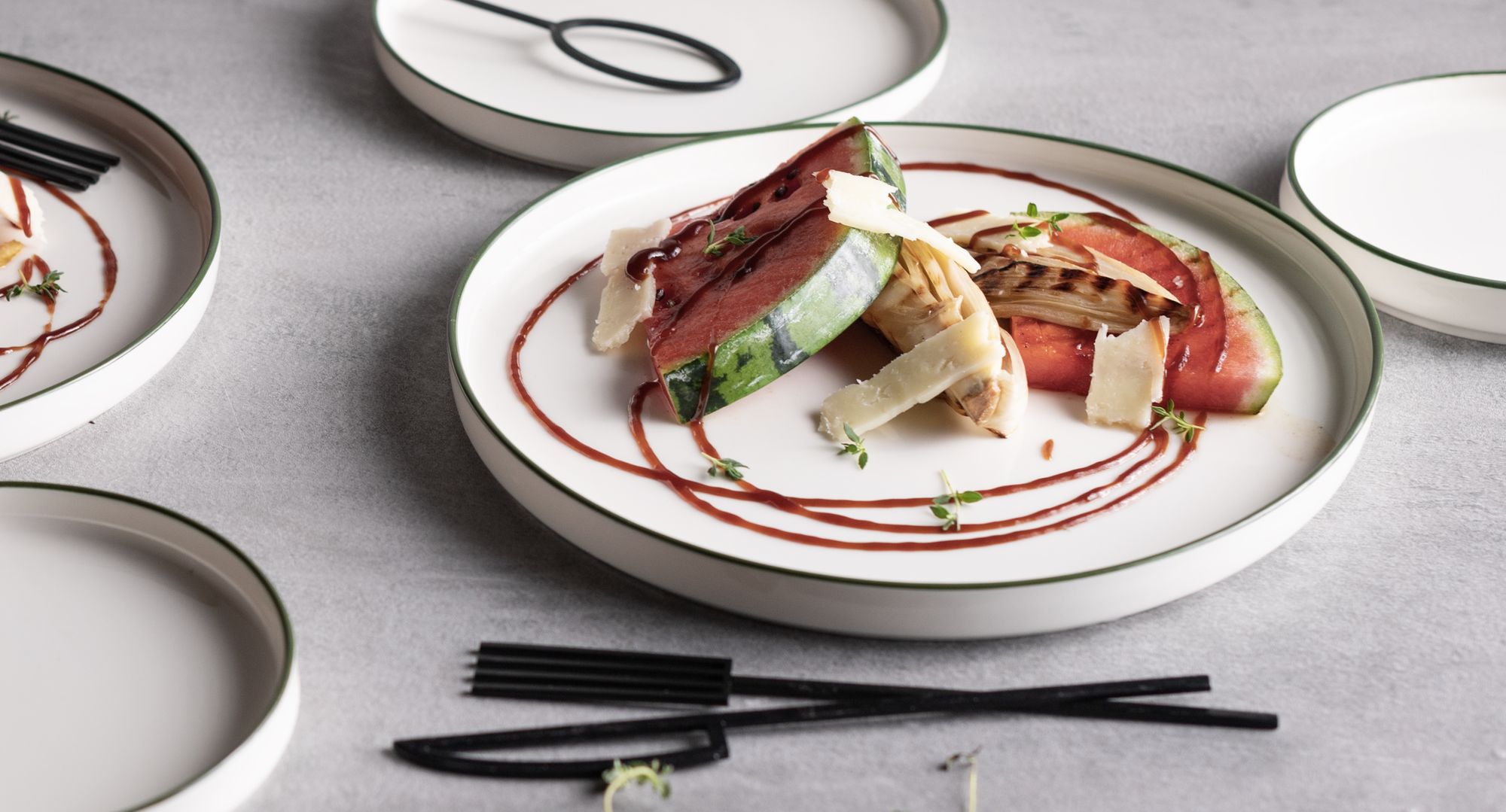
Your table top is everything the guest sees and touches before the first bite: plates, bowls, platters, trays and drinkware. It frames the food, shapes the pace of service and tells guests what kind of restaurant they are in. Planning it deliberately saves you from mismatched pieces and gaps in the middle of a busy service.
This guide walks through how restaurant owners and chefs can build a table top from our collections, step by step.
Start with the menu, not the catalog
Before you look at colors, write down how your food actually leaves the kitchen. Ask your team:
- Which dishes are plated individually, and which are shared at the table?
- Which courses need a bowl, a plate or a platter?
- Do you serve breakfast, brunch, banquets or events with the same set?
- What does the drinks program need on the table: water, juice, cocktails, coffee?
This list tells you which piece types you need in volume and which only need a few. A restaurant built around shared plates needs a different mix than one serving a fixed tasting menu.
Match the material to the job
We carry five brands, and each one suits a different role on the table.
- ID Fine (high alumina porcelain): a broad range for building a full service. Whiteware has 43 pieces, and the Modest family (Black, Green, Maroon and Navy) runs to 35-38 pieces per color, so you can cover most of a menu from a single collection.
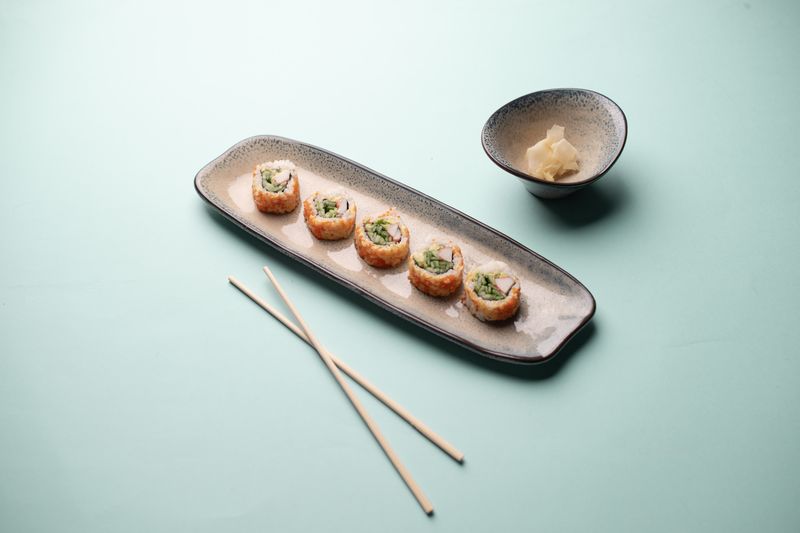
- 1972 (vitrified ceramics): compact collections such as Granada Blue, Granada Gray, Granada Sand, Granada Turquoise, Toledo Black, Zen and Cordoba, each with 8 pieces. They suit concepts with a focused menu.
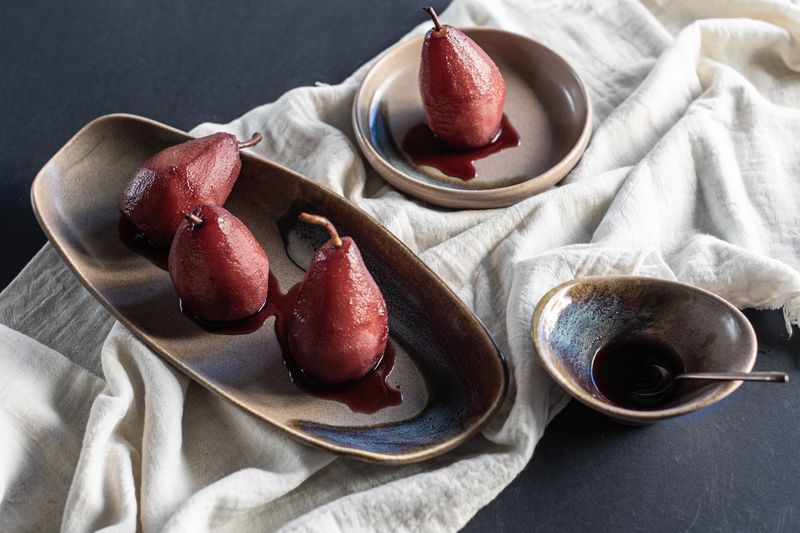
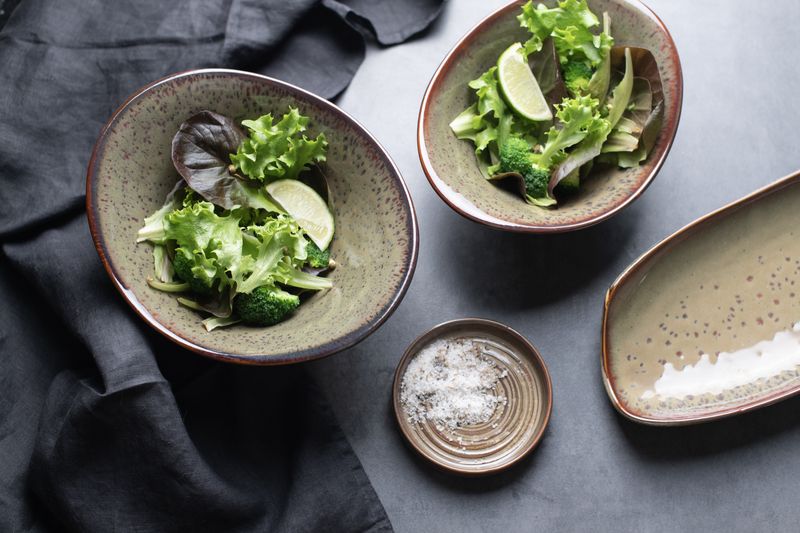
- Roots (fine stoneware): collections like Charma and Coastal with 26 pieces each, or Hazel and Cameo with 20 pieces each, for a handmade, tactile look.
- Tabletop Glassware (glass tableware): plates, bowls, platters and trays in glass, including Pure, Obsidian, Azure and Tide.
- Rubikap (polycarbonate drinkware): tumblers, goblets, pitchers and mugs for the drinks side of the table.
One point of clarity: our glass collections are tableware for food service, not drinkware. If you need something to drink from, look to Rubikap.
Build a core set, then add accents
The most practical approach is a 70/30 mindset: a core set you can reorder and rely on, plus accent pieces for character.
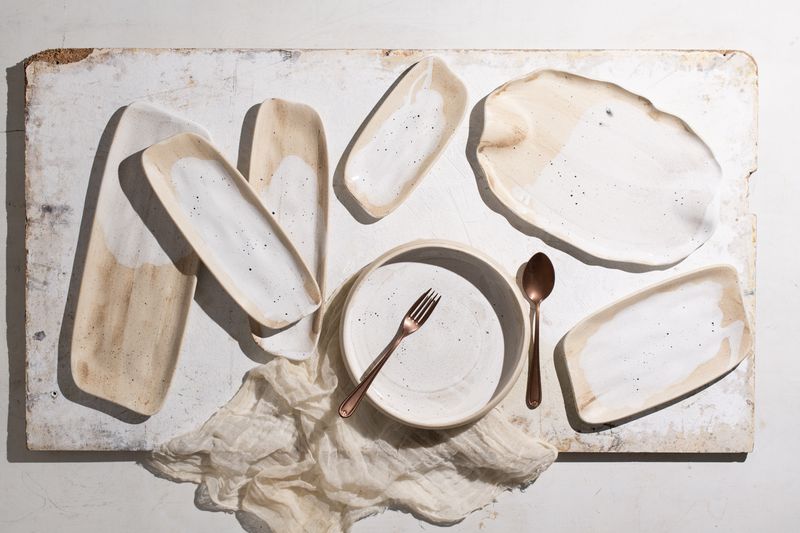
Choose your core from a collection with enough pieces to cover your everyday service. Whiteware is the largest at 43 pieces, and the Modest Navy and Modest Black collections give you a color story with 35 pieces each. If you prefer a more compact range, Delta has 17 pieces and Venecia has 20.
Then add accents where the plate does the talking:
- Glass plates, bowls, platters or trays from Pure or Obsidian for dishes you want to showcase.
- Stoneware from Rune or Qasbah, 6 pieces each, for a specific course or a chef's special.
- A 1972 collection such as Granada Sand or Zen for a side menu or a terrace.
Keep accents limited. Too many styles on one table can feel cluttered and make restocking harder.
Think about the whole table, including drinks
A complete table top does not end at the plate. Service & Events has 8 pieces of Rubikap polycarbonate drinkware, Premium has 10, and Prisma has 18. These are tumblers, goblets, pitchers and mugs, so you can plan water service, group tables and event drinks from one brand.
When you choose drinkware, think about where it will be used: poolside, terrace, banquet room or main dining room. Let that, along with the look of your tableware, guide the collection you pick.
Use the shop filters to size your order
Once you have a shortlist, open the shop and use the size, capacity and case-pack filters. They help you check that plates fit your pass, bowls suit your portions and case packs fit your par levels. Remember that products ship from our Miami warehouse in full cases, so plan your quantities by case rather than by single piece.
A simple order planning checklist:
- List every dish and the piece type it needs.
- Decide on your core collection and one or two accents.
- Check sizes and capacities against your portions.
- Count cases, not individual pieces.
- Leave room to add pieces as the menu evolves.
Test before you commit
No photo replaces holding a plate with your own food on it. Request samples online through the Sample Center and try them in service: how they stack, how they look under your lighting, how your dishes sit on them. Ask your kitchen and floor teams for feedback, since they handle the pieces more than anyone.
Get support for new openings and larger projects
If you are opening a restaurant, renovating or equipping several venues, our team can help you plan. Share your project details through the dealer project support form, or contact us with questions about collections. If you run a distribution business and want to carry our brands, see become a distributor.
A well-planned table top makes service smoother and presentation more consistent. Start with your menu, choose a reliable core, add a few accents and test with samples before you place your full order.